 Questions?
Speech Therapy for Cerebral Palsy Explained
Most children with cerebral palsy have problems controlling the muscles in their face, tongue, jaw, and chest. This limits their ability to produce sounds and speak correctly. Hearing loss can also cause speech delays and communication problems. Speech therapy for children with cerebral palsy can help.
About 75% of children with cerebral palsy have speech defects. Luckily, it’s estimated that 50% to 70% of these children can benefit from speech training and enjoy a higher quality of life.
Speech therapy can help children control the key muscles involved in forming words, making sounds, and breathing. This improves a range of communication skills from vocal clarity to listening.
It also helps children express themselves and their needs more easily, improving their relationships with others and boosting their self-esteem, confidence, and independence.
Research suggests that children should begin treatment for speech delays before the age of 2, around the time many are diagnosed with cerebral palsy.
During speech therapy, a licensed speech-language pathologist (SLP) will evaluate the child and develop exercises to improve their speech problems. For best results, children should attend 2-3 speech therapy sessions per week for at least 6 weeks.
What Is Speech Therapy for Cerebral Palsy?
Speech therapy can help anyone with speech defects or language problems build the skills they need to communicate effectively. Speech therapy for children with cerebral palsy often focuses on strengthening mouth muscles and teaching kids to make specific sounds.
Your child’s care team will design a custom treatment plan for them using therapeutic techniques.
Speech therapy typically involves different treatments, including the use of:
- Sign language, letters, pictures, and written words
- Hearing aids for children with limited hearing
- Technology to increase speech volume for kids with faint voices
- Computer programs for practicing speech at home
- Mouth, tongue, and jaw exercises for strengthening muscles
Since different types of cerebral palsy cause distinct speech problems, SLPs will tailor therapy to each patient. Parents are expected to attend their children’s speech therapy sessions so they can continue the practice at home.
How Can Speech Therapy for Cerebral Palsy Help?
Children with cerebral palsy may experience many vocal problems, including:
- Discomfort or pain while speaking
- Monotone and breathy speech
- Problems controlling the pitch or volume of their voice
- Slurring their words
- Stuttering or repeating words
- Talking too fast or too slow
- Tight or hoarse speech
- Trouble pronouncing specific sounds or letters
In speech therapy, children will learn to keep their vocal pitch steady, speak more clearly, and take deeper breaths. Practicing these skills can also help children with swallowing, chewing, drooling, heartburn, or coughing.
Without speech therapy, many children will have ongoing communication problems as they get older. Speech therapy aims to establish proper speech and language habits for kids that will improve their communication skills over the long term.
In speech therapy, children will get a better understanding of language and how to produce words. Therapy can help children learn to use words properly, engage in effective conversation, communicate their thoughts, and address pronunciation issues.
Benefits of Speech Therapy for Cerebral Palsy
Since language plays a key role in emotional, social, and cognitive development, speech therapy offers far-reaching benefits for children. When kids learn how language works, they can make better sense of the world around them.
Kids who participate in therapy for CP may do better in school, have an easier time interacting with other children, and join in activities that they could not do before. They also become more confident—something extremely important for kids with cerebral palsy.
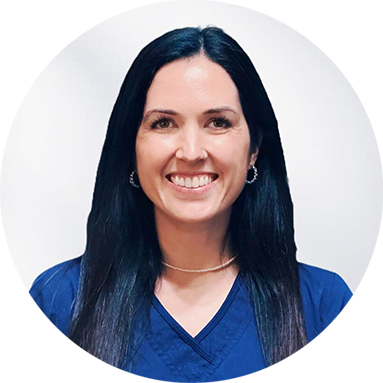
“Physical, occupational, and speech therapies give patients more autonomy, progress at school academically and socially, and hope of a successful future.”
– Katie Lavender, RN
Additionally, speech therapy for children with cerebral palsy can introduce them to essential learning skills at a very young age. They can develop healthy learning patterns that benefit them throughout their lives.
Children with cerebral palsy often have a hard time communicating their needs to caregivers and family members. Speech therapy for cerebral palsy can make it easier for your child to express their thoughts and help you understand what they’re saying as well.
Speech Therapy Techniques and Exercise
The first thing that an SLP will do is assess your child’s abilities. They may ask you about your child’s levels of mental and physical functioning, examine your child’s mouth for shape issues, and test your child’s hearing to ensure they can hear correctly.
Your child’s speech therapist will identify the most significant communication problems and focus on them first. They will only work on a couple of issues at a time rather than attempting to fix every difficulty at once.
Your speech therapist may use a variety of therapy techniques and exercises with your child, such as:
- Blowing and breathing exercises that help children shape their mouths to produce certain sounds
- Demonstrations that show children how to form words, sounds, and syllables, often using a mirror for guidance
- Lip and tongue strengthening exercises using lollipops, tongue depressors, or chewy foods
- Pictures and everyday objects to help build vocabulary
- Swallowing exercises to strengthen control of the mouth, jaw, and tongue
Speech Therapy at Home
Parents play a crucial role in developing proper speech habits in children with cerebral palsy. Practice at home is essential to your child’s success in speech therapy. Talk to your SLP about exercises and activities you can do with your child.
In general, try to talk slowly and look directly at your child whenever you are speaking.
You can help your child assign meaning to words by using pictures and objects while you talk to them. Whenever possible, encourage your child to speak in sentences instead of pointing or using single words. A good way to practice this is to hide a few of their toys and then have them explain where they found them.
Speech therapy for children with cerebral palsy is more effective when parents get involved. Try reading picture books and asking your child to point to pictures of certain objects to help them grasp the meaning of words.
Financial Compensation for Speech Therapy for Cerebral Palsy
Cerebral palsy is often the result of brain damage before, during, or shortly after birth. Unfortunately, many birth injuries are preventable. If you suspect that your child’s birth injury was the fault of your medical team, work with an attorney experienced in cerebral palsy cases to better understand your legal options.
Although your child’s quality of life is invaluable to you, speech therapy for cerebral palsy is yet another treatment expense. Legal compensation can help you cover the costs of your child’s speech therapy treatment and give you some peace of mind.
Contact the Birth Injury Justice Center today at (800) 914-1562 or get a free case review now.